± 10years
to grow
a 2-metre Christmas tree

OUR APPROACH
Our principles only matter when they translate into what happens on the field. ORUQA focuses on tangible growing practices designed to support healthy trees, healthy soils and a more natural balance. This is what responsible growing looks like in practice.
Chapter 01
Observe first. Intervene only when needed.
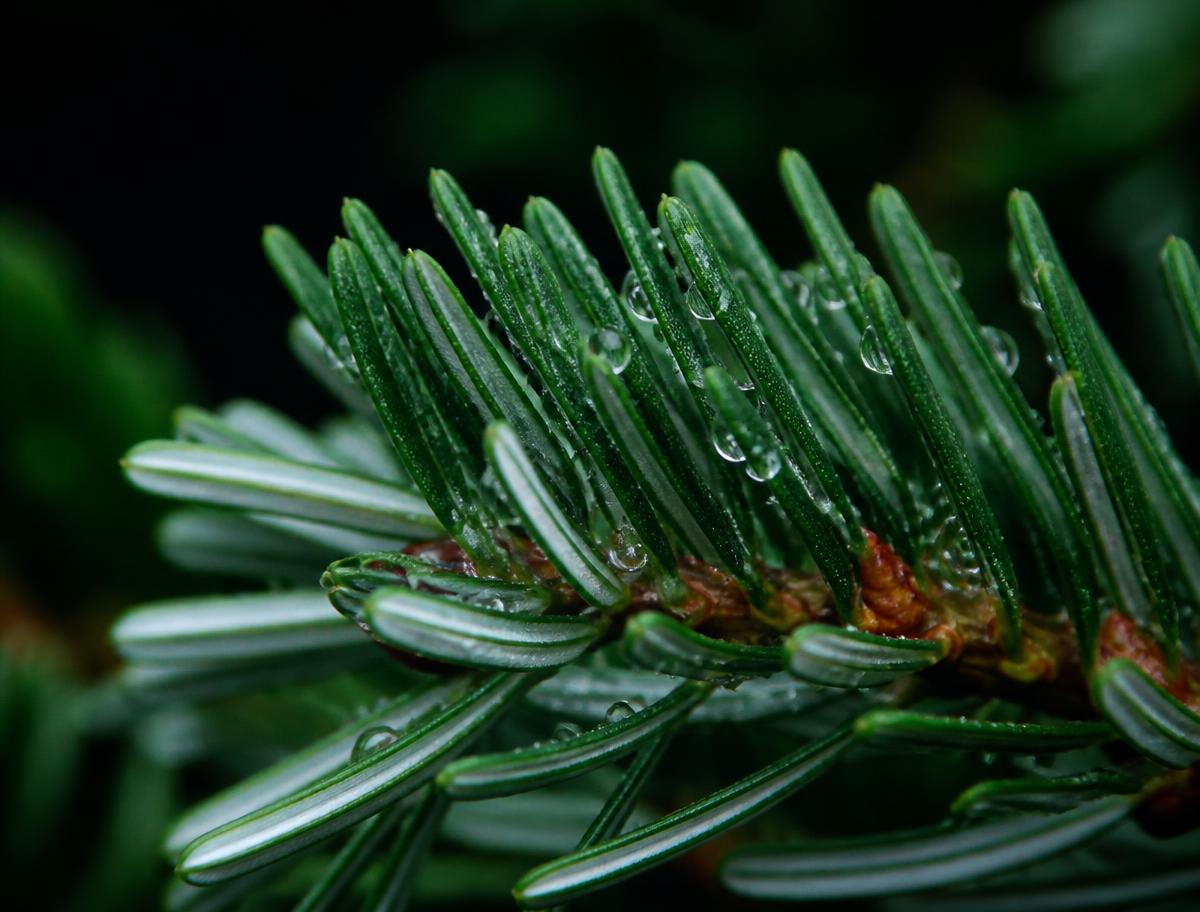
Rather than routinely intervening, growers closely observe how trees, soil, weeds and insects develop.
Weeds are allowed to play their natural role and return organic matter to the soil. Insects are monitored closely. Only when the health or development of a tree is at risk is targeted intervention considered — locally and using the smallest possible dosage.
The goal is simple: give nature as much room as possible to do what it does best.
Chapter 02
Healthy trees start with healthy soil.
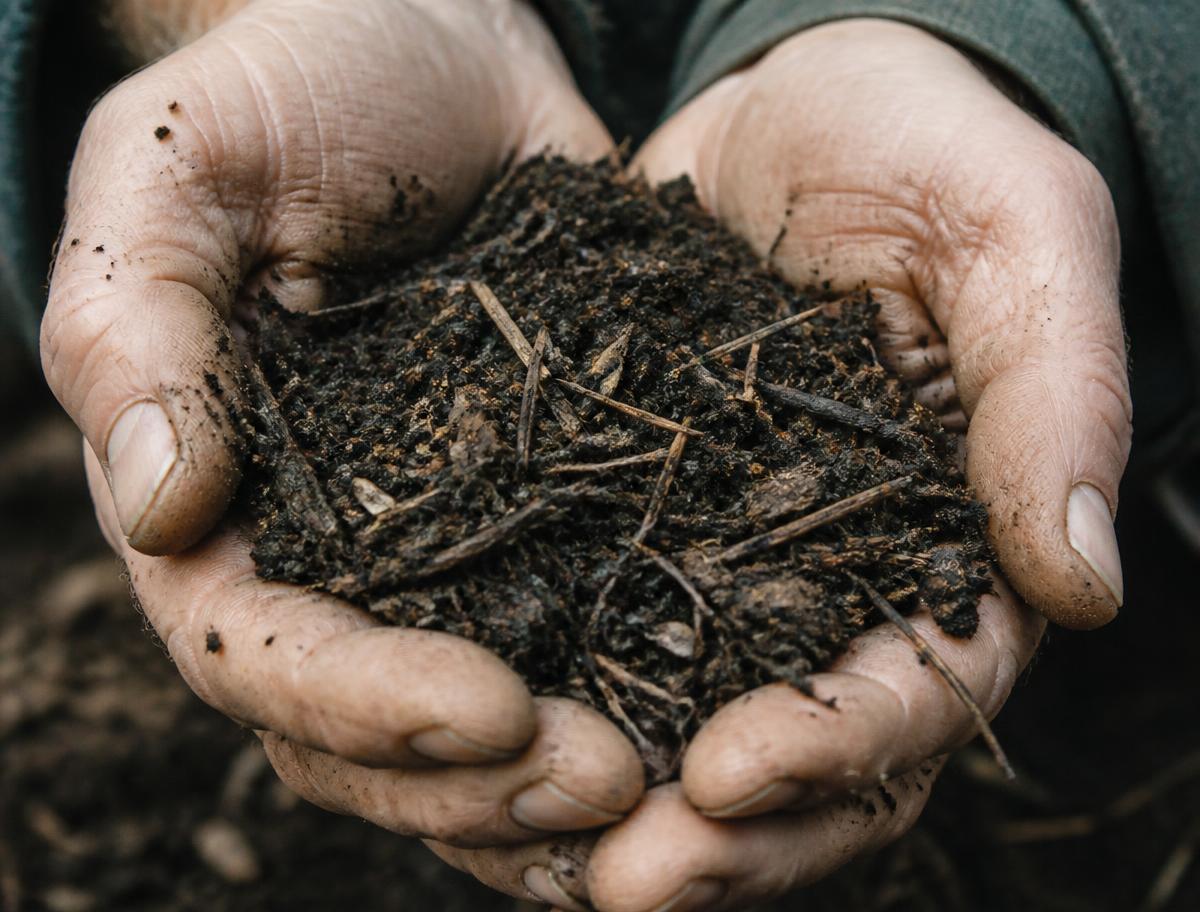
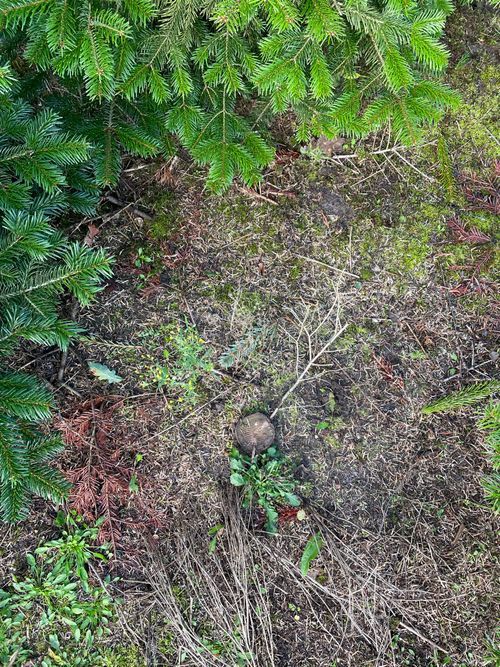
Roots, cut branches and other organic material are left on or returned to the fields, where they can naturally decompose and contribute to humus formation.
After harvest, stumps and branches are shredded and returned to the soil as well, helping create a more circular system in which organic matter remains part of the land. Fertilisation is applied only when needed, based on soil analysis and primarily using organic products.
What grows on the land becomes part of the land again.
Chapter 03
Healthy growth needs space.
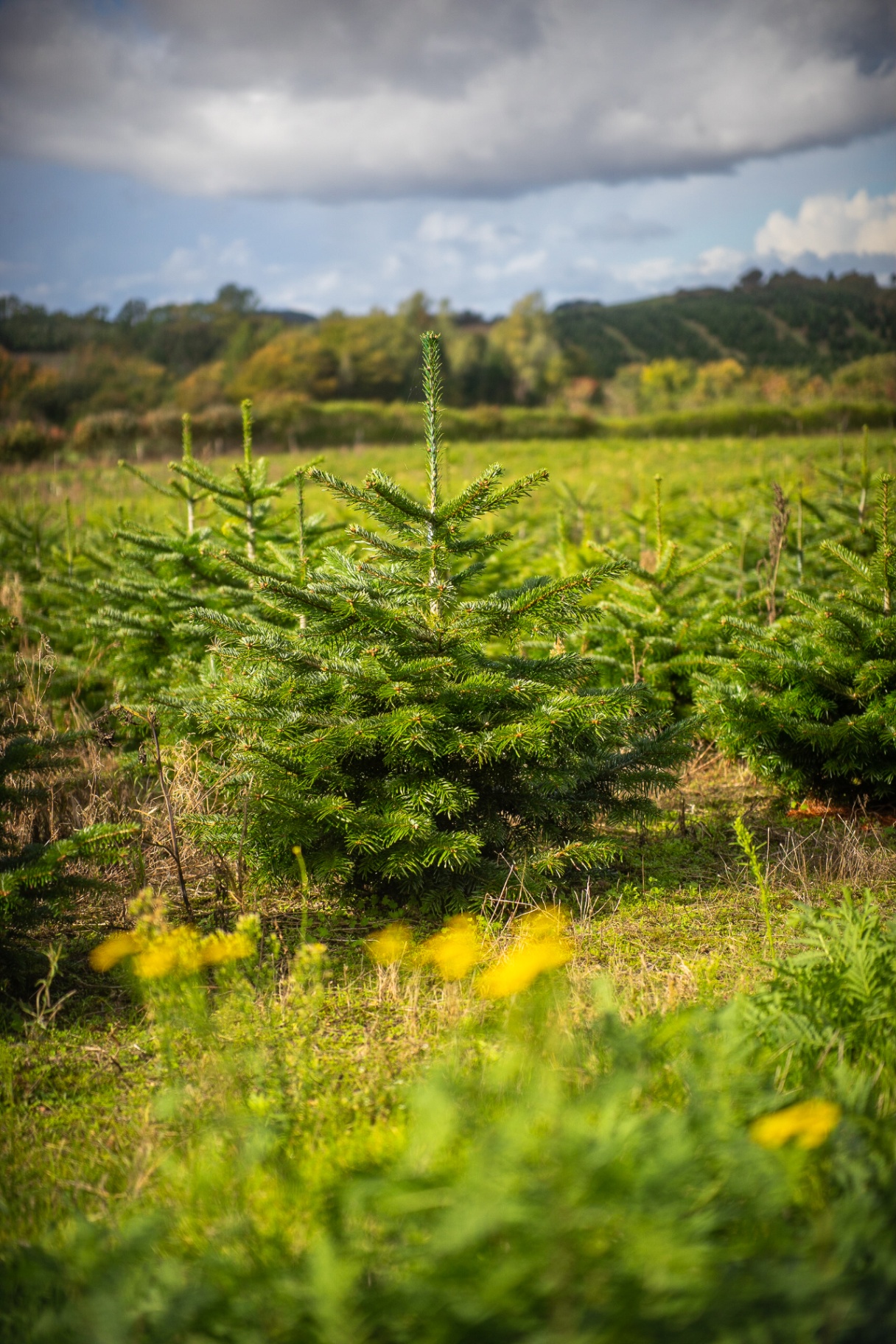
Christmas trees take years to mature. From the moment they are planted, sufficient spacing gives each tree room to develop, while helping to reduce disease pressure and minimise the need for treatments throughout the growing cycle. Space between the rows also allows air and light to circulate around the trees, supporting healthy, balanced growth.
Sometimes, doing less starts by simply giving nature more room.
Chapter 04
A Christmas tree field is alive with more than trees.
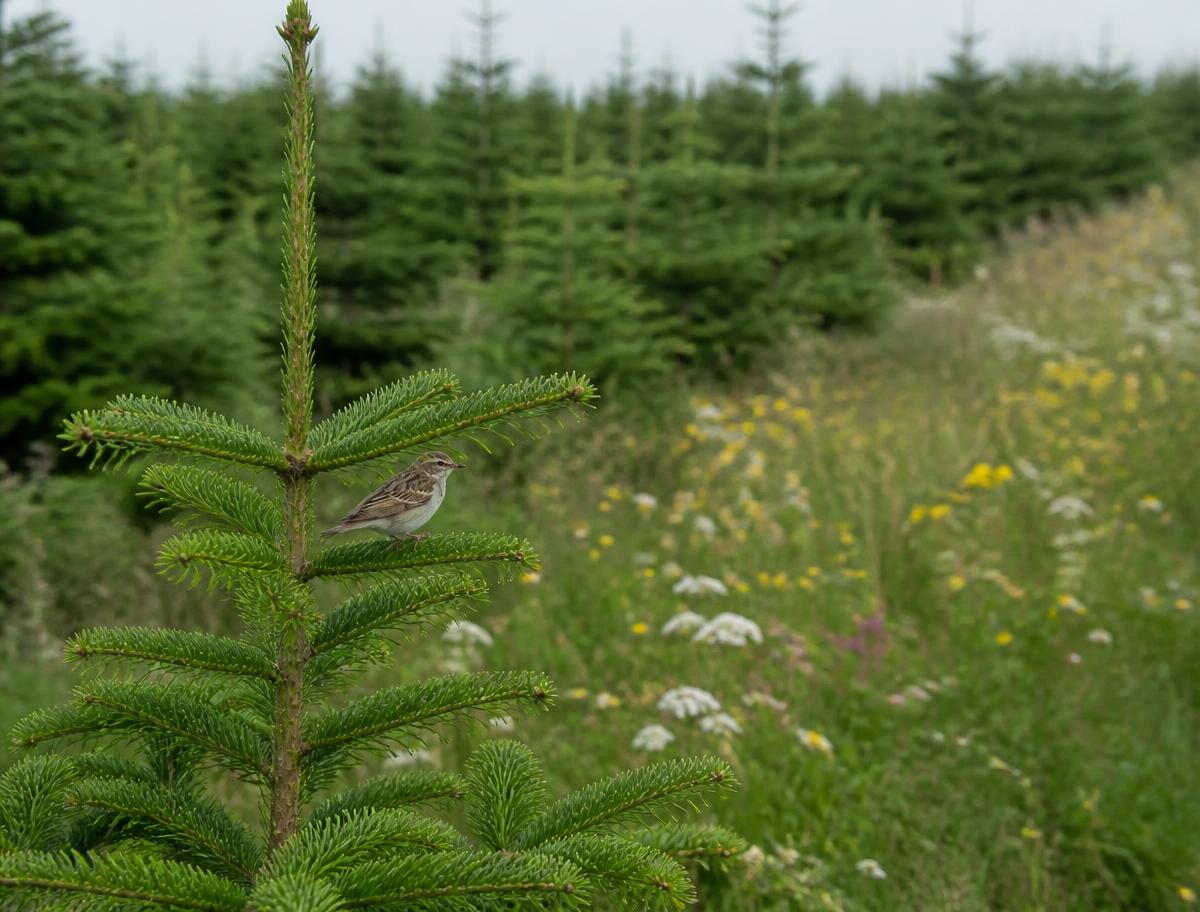
During their years in the field, Christmas trees become part of a wider living environment — one that can provide habitat for birds, beetles, butterflies, spiders and other wildlife.
Our grower's wider Forest of the Future approach reinforces this commitment, with measures designed to support biodiversity and create more room for nature.
Growing Christmas trees and making room for nature can go hand in hand.
Chapter 05
Every harvest is also a new beginning.
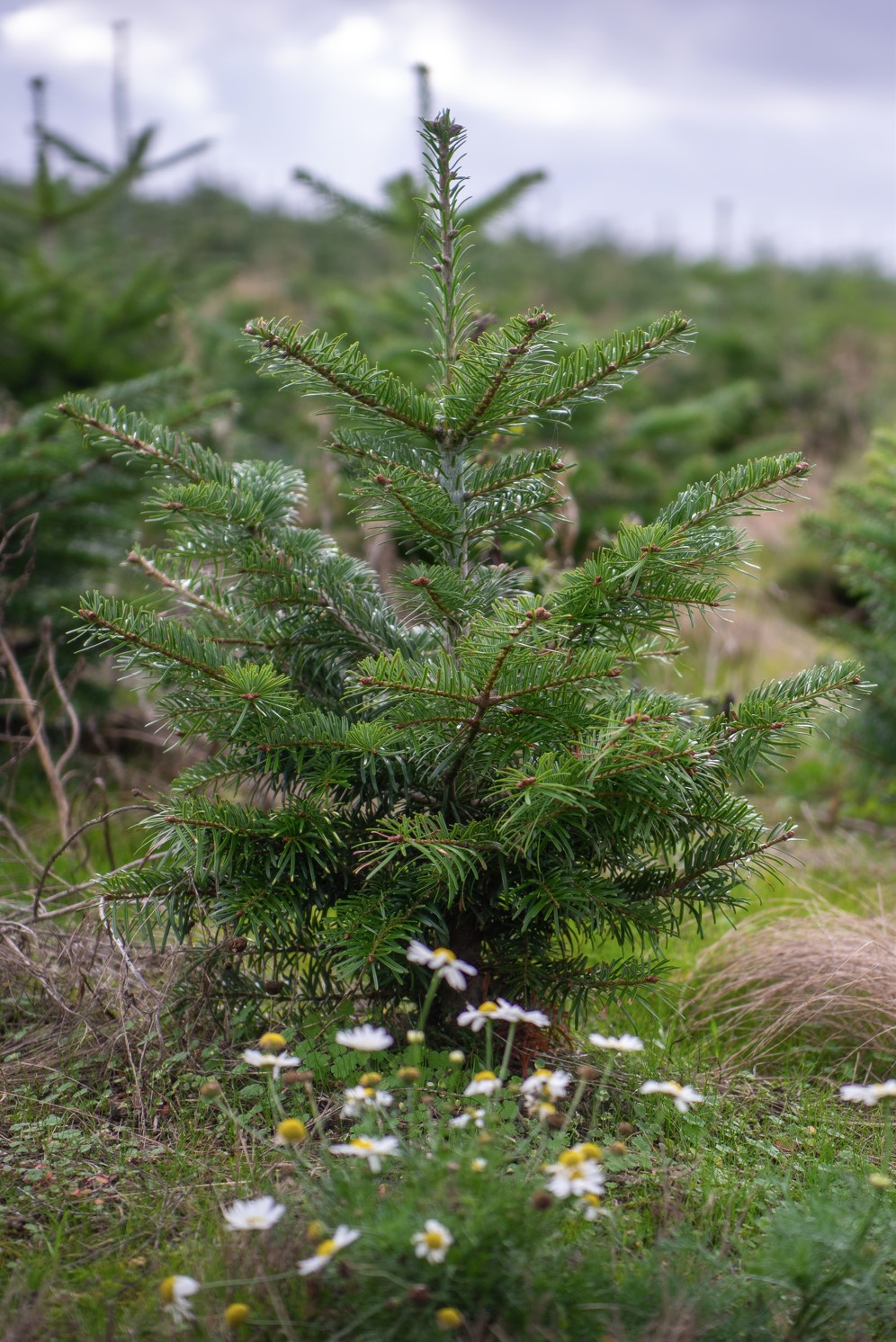
A Christmas tree is not a one-season crop. It takes around ten years for a tree to reach two metres, spending all those years growing as part of the landscape.
When a tree is finally harvested, the story doesn't end. For every tree that leaves the field, a new one is planted to begin the journey again.
Grow. Harvest. Replant. Repeat.
Chapter 06
Growing today with tomorrow in mind.
Responsible cultivation goes beyond the tree itself. It is also about caring for the soil, supporting biodiversity and thinking about the future of the land.
Our grower works with a Forest of the Future approach: a long-term vision built around planting and replanting, responsible land management and continuously improving the environment in which trees grow.
The next generation starts with how we care for the land today.
YEARS OF CARE
A Christmas tree doesn’t simply appear in December. Its journey starts years before it becomes part of someone’s Christmas tradition. A two-metre tree takes around ten years to grow. During that time, it may be visited by its grower approximately forty times — to observe, shape, prune, adjust and care for it as it develops. Some moments require a skilled hand, others simply require patience. That's the craftmanship behind every tree: knowing when to guide nature - and when to let it grow.
a 2-metre Christmas tree
for a tree throughout its lifetime
one unique Christmas tree
the cycle after every harvest
Follow the story
Follow one Christmas tree through the years — from planting and growth to harvest and Christmas.